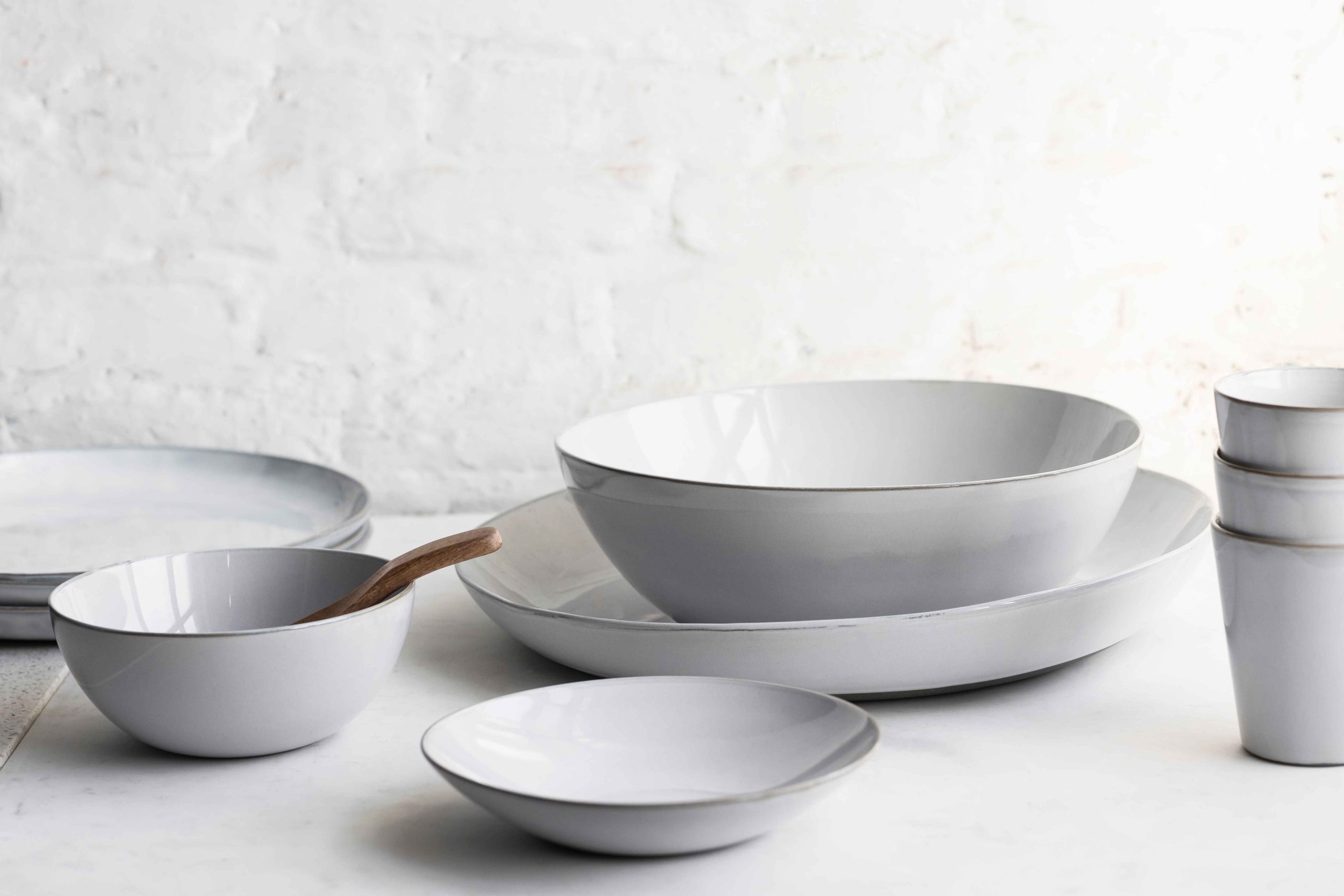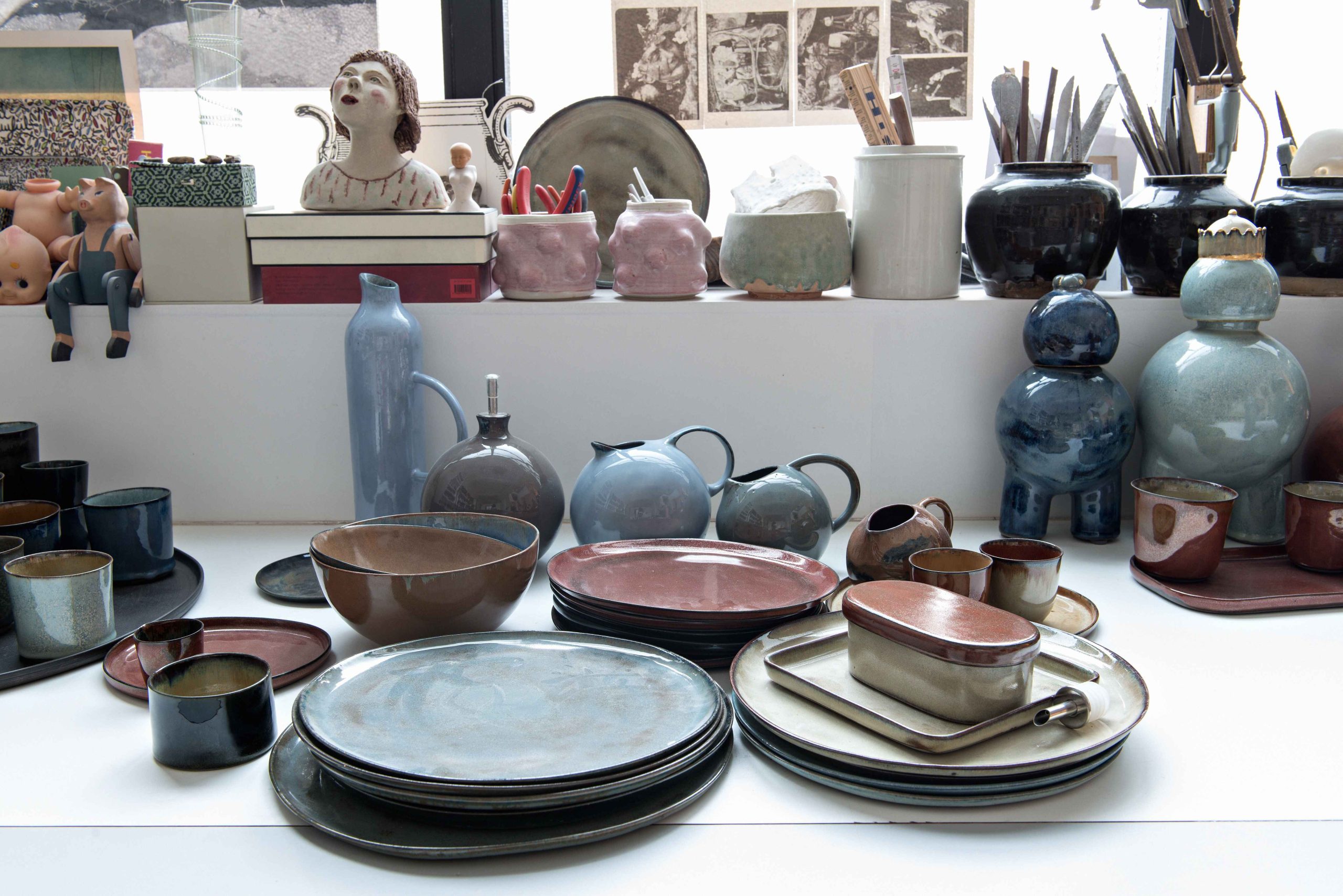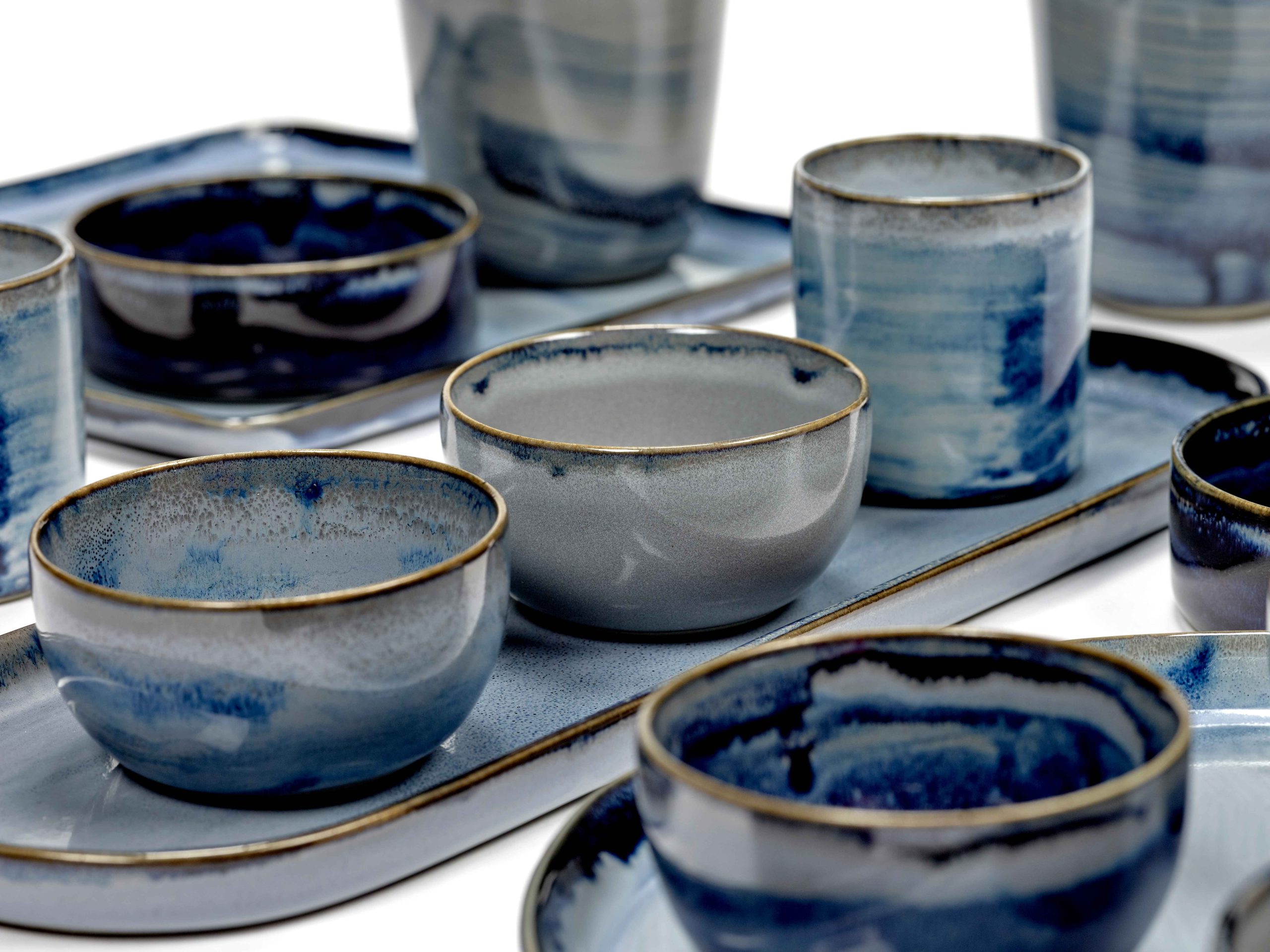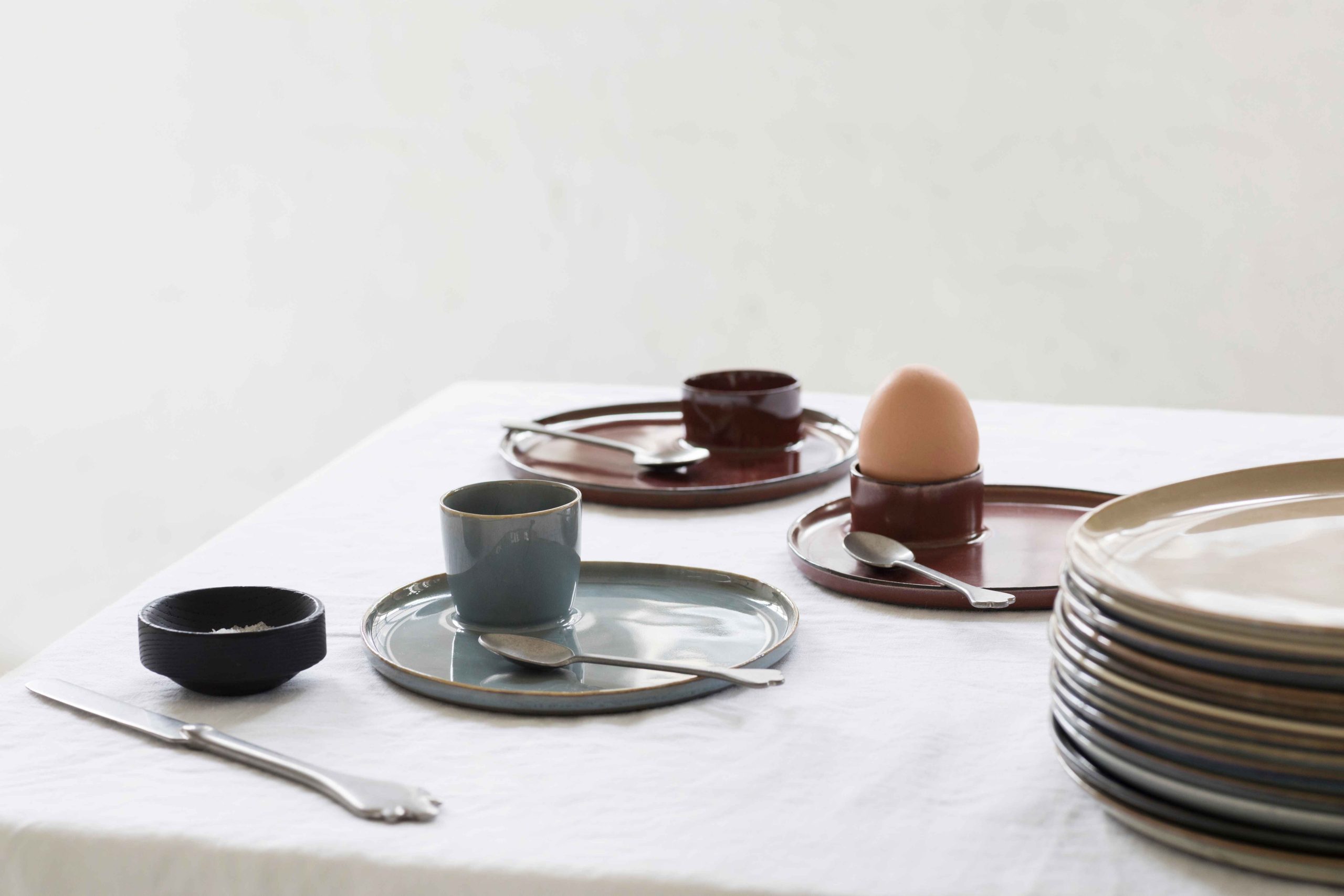
Founded in Waregem, Belgium in 1986, Serax began as a purveyor of European antiques before evolving into one of the most distinctive design brands of its generation. The shift was not accidental — it was driven by a conviction that beautiful, functional objects should be available to anyone who sets a table, not only to those who inherit them.
Today, Serax operates a unique model: the brand does not employ in-house designers. Instead, it seeks out collaborations with figures from architecture, fashion, gastronomy and the fine arts — people whose understanding of form, material and use brings something to the table that conventional product design rarely does. The result is a collection that reads less like a catalogue and more like a conversation between disciplines.
Every Serax piece carried by Nona has been chosen because it passes our single test: does it belong on this table? Not because it carries a name, but because it earns its place through form, material and the quality of the silence it brings to the room.
“Serax does not make homeware. It makes the objects that a home remembers.”
WHY SERAX
A design model built on collaboration, not compromise.
Cross-disciplinary
Chefs, architects, fashion designers and artists — Serax collaborates across disciplines to bring perspectives that pure product design cannot access.
Designed in Europe
Every collection originates in Belgium, rooted in a design tradition that values restraint, material honesty and long-term usefulness over seasonal novelty.
Built for daily use
Serax pieces are designed to be used. Dishwasher-safe where possible. Structurally considered. Made to last decades, not seasons.
THE DESIGNERS
Six collaborations. One shared conviction.
Each Serax collection at Nona is the product of a direct creative relationship — between the brand and a designer whose work has shaped how we understand beauty in everyday objects.
Anita Le Grelle
Belgian ceramicist. Terres de Rêves carries the colour of open landscapes — rust, smoky blue, ochre.